
TL;DR: Ridge capping repairs are essential for keeping tiled roofs in Melbourne secure and leak-free. Watch for warning signs like cracked mortar, loose ridge caps, ceiling stains, or moss build-up. Most roofs need ridge cap repointing every 10–15 years, and sometimes full rebedding if the mortar bed has failed. Timely repairs prevent leaks, storm damage, and costly replacements while improving roof lifespan, appearance, and safety.
Ridge capping repairs are one of the most common maintenance needs for tiled roofs across Melbourne. Over time, the mortar holding the ridge caps can crack, loosen, or wear away, leaving your roof exposed to leaks and water damage.
If left too long, small issues with ridge capping can lead to bigger problems that require full roof repointing and rebedding to restore stability and weather protection. Knowing the signs early can save you from costly repairs and keep your home safe.
5 Signs Your Ridge Capping Needs Repointing
Your roof gives clear warning signs when the ridge caps need attention. Knowing these signs early can help you avoid leaks, damage, and costly repairs. Here are the five key signs you should watch for on your roof.
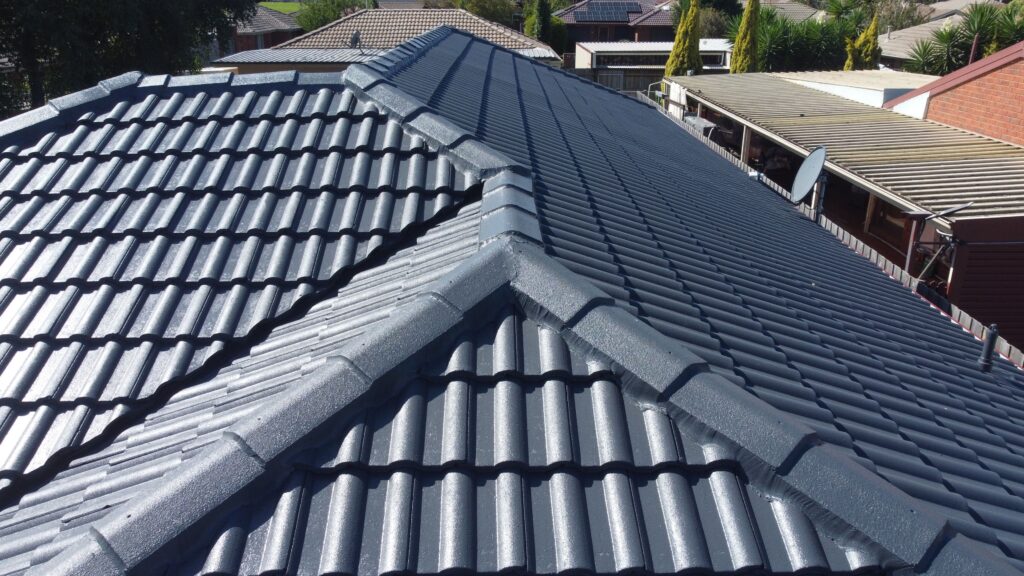
1. Visible Cracks or Gaps in the Mortar Between Ridge Caps
Check the mortar that holds the ridge caps. If you see cracks, chips, or gaps, the mortar is failing. Small cracks let water in and can cause bigger problems if ignored.
2. Loose or Missing Mortar (or Whole Ridge Caps Shifting)
If mortar looks crumbly or pieces are missing, the ridge caps are not secure. In some cases, ridge caps may move out of place during strong winds. This can lead to leaks and safety risks.
3. Water Stains on Ceilings or Evidence of Internal Dampness
Brown stains on the ceiling or damp patches inside the home are often caused by damaged ridge caps. When mortar breaks down, water can enter and damage insulation, plaster, or paint.
4. Moss, Lichen, or Fine Mortar Dust in Gutters
Moss or lichen on ridge caps holds moisture that weakens mortar. You may also see fine dust or sand in the gutters. This is usually broken mortar washing away.
5. The Age of Your Roof and When to Inspect It
Most roofs need ridge cap repointing after 10 to 15 years. Even if no damage is visible, age can weaken mortar. Regular inspection helps prevent bigger repairs later.
If your roof shows signs of wear, professional ridge cap repointing is the most effective way to protect your home. For roofs needing more than basic repairs, a full roof restoration service can bring back strength, durability, and long-lasting performance.
Repointing vs Rebedding: Which One Do You Need?

When repairing ridge caps, the work usually involves either repointing, rebedding, or both. Knowing the difference helps you understand what your roof needs and why quotes can vary.
Repointing
- What it is: Fresh mortar or a flexible compound is applied over the existing bedding to seal ridge caps.
- When it’s needed: The bedding is still solid, but cracks or gaps have appeared in the top layer.
- End result: Ridge caps remain sealed, watertight, and protected from leaks.
Rebedding
- What it is: Old bedding mortar is removed, ridge caps are lifted, and new bedding mortar is applied.
- When it’s needed: The bedding mortar has broken down and ridge caps are loose or unstable.
- End result: Ridge caps are secured firmly in place and then repointed for a complete seal.
When Both Are Used
If both the bedding and pointing have failed, rebedding is done first, followed by repointing over the new bedding. This ensures the ridge caps are stable, secure, and fully protected from water.
Why You Should Consider Ridge Cap Repointing
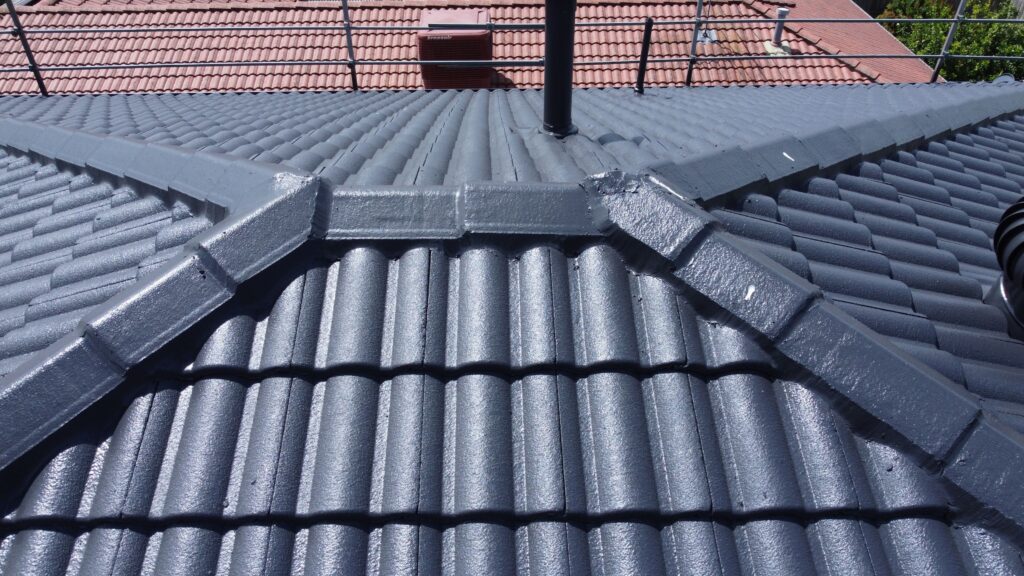
Keeping your ridge caps in good condition does more than stop leaks. Here are the key benefits homeowners in Melbourne get from timely ridge capping repairs:
- Prevent Roof Leaks – Sealing cracks and gaps keeps rainwater out and protects your ceilings, walls, and insulation.
- Protect Against Storm Damage – Secure ridge caps stay in place during high winds, reducing the risk of tiles lifting or breaking.
- Extend the Life of Your Roof – Repointing and rebedding strengthen the roofline so you don’t need a costly replacement too soon.
- Improve Energy Efficiency – A watertight roof reduces moisture build-up, helping insulation work as it should.
- Maintain Your Home’s Value – A well-kept roof adds to the overall condition and appeal of your property.
- Enhance Roof Appearance – Fresh mortar makes the roofline look neat and adds curb appeal.
- Save Money on Bigger Repairs – Fixing small issues early costs far less than repairing water damage or replacing entire sections of roof.
- Increase Safety for Your Home and Family – Stable ridge caps lower the risk of tiles falling or water damaging electrical systems.
How the Ridge Cap Repair Process Works
Ridge cap repointing follows a simple step-by-step process. Each stage makes sure the ridge caps are secure, sealed, and able to protect your roof from leaks.
Inspect the Roof and Check the Ridge Caps
A roofer inspects the ridge caps, pointing, and bedding to see if repointing is enough or if rebedding is also needed.
Remove Loose or Damaged Mortar
Any cracked or loose mortar is taken out, and the surface is cleaned to prepare for new material.
Rebed Ridge Caps if the Bedding Has Failed
If the bedding mortar is weak, the ridge caps are lifted, new bedding mortar is applied, and the caps are reset in place.
Apply Flexible Pointing Compound
A fresh layer of pointing compound is applied to seal the ridge caps and protect against water entry.
Finish and Inspect the Work
The mortar is left to set, the ridge line is checked for a proper seal, and the roof area is cleaned of debris.
How Much Do Ridge Capping Repairs Cost?
The cost of ridge capping repairs in Melbourne depends on the size of your roof and how much mortar needs replacing. On average, repairs are more affordable when done early, before damage spreads.
Prices can vary based on the materials used and the quality of workmanship. Flexible compounds may cost more upfront but last longer than traditional cement mortar.
If the bedding under the ridge caps has failed, a full rebedding and repointing job will cost more than repointing alone. Getting an inspection and quote is the best way to know the exact cost for your roof.
How Often Should You Repoint or Rebed Your Roof?
Most tiled roofs in Melbourne need ridge caps repointed every 10 to 15 years. If your roof is older and has not been checked, it is best to book an inspection.
The lifespan of mortar depends on climate, materials, and workmanship. Harsh sun, heavy rain, or poor installation can make repairs necessary sooner.
Strong storms can also damage ridge caps even on newer roofs. A quick inspection every 2 to 3 years, or after major weather, helps catch problems early.
Book Your Ridge Cap Repair with Top Glaze Today!
Don’t wait for cracks or leaks to cause major roof damage. Top Glaze Roofing Systems is Melbourne’s trusted choice for ridge cap repairs and roof services.
Call 1800 88 77 98 or email info@topglaze.com.au now to book your inspection and get your roof repaired by the experts.


