
If you have ever wondered “whats cladding” and whether it is right for your home or business, you are in the right place. Cladding is a protective layer that goes on the exterior walls of a building. It helps shield your structure from harsh weather, adds insulation, and can completely transform how your property looks. At Top Glaze Roofing, we’ve spent 40+ years mastering Australian roofing and building, and we know that the right cladding installation can make a big difference in both style and long-term protection.
TLDR:
- Cladding is an outer layer that protects your building from the elements.
- Metal cladding is popular in Australia for its durability, sleek look, and fire resistance.
- Costs vary by material and project size. Try a cost calculator or consult a pro.
- Proper planning and regular maintenance ensure you get the most from your cladding.
Below, you will find a clear breakdown of cladding basics, material options, benefits, style choices, budgeting tips, and a quick FAQ section. Let’s dive in.
What Is Cladding?
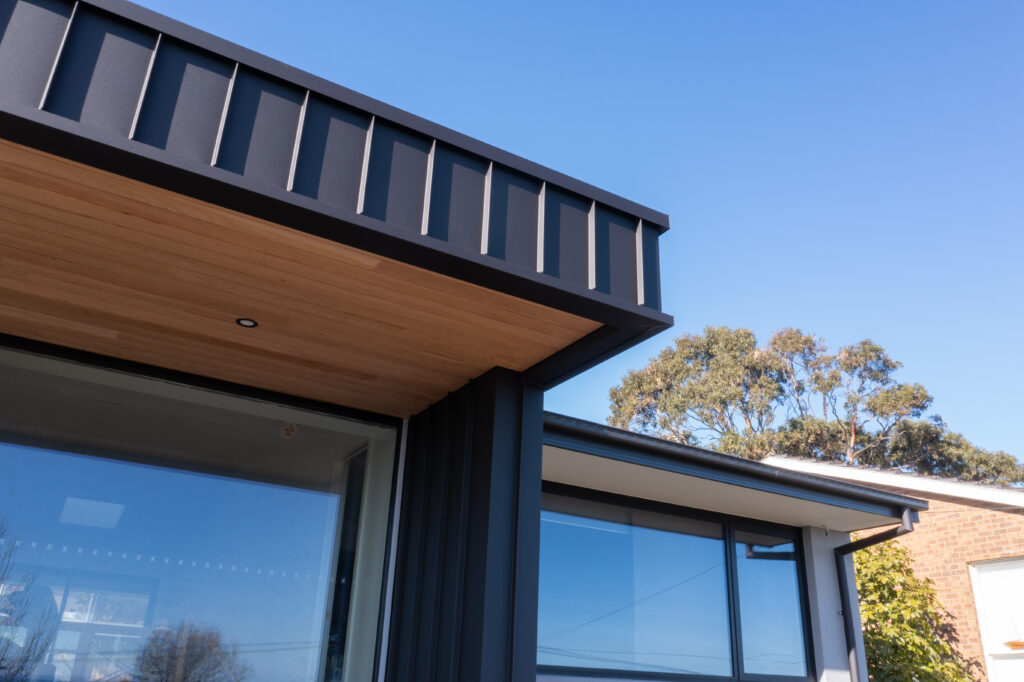
Cladding acts like a skin, covering the external walls of your home or commercial building. It can be made from various materials, including timber, stone, vinyl, or metal. It serves several functions:
- Shields your exterior from rain, wind, and sun.
- Improves insulation, making indoor temperatures more stable.
- Adds aesthetic appeal, letting you choose a finish that matches your taste.
In Australia, cladding is especially important for handling unpredictable weather. High UV exposure and heavy rain in some parts of the country may stress external walls, so adding a robust outer layer makes sense. According to the Housing Industry Association (HIA) in 2024, about half of new builds now use cladding as a standard feature. Good news, this means you have a lot of tried-and-tested local options.
You will see that cladding is not only about function. It can also boost your property’s appearance, making it more attractive if you ever plan to rent or sell. By choosing a well-designed cladding system, you can stand out in your neighbourhood and protect your walls at the same time.
What Cladding Materials Are Available
When you start looking at cladding, you will quickly see different materials on offer. Each material comes with its own pros and cons. Below is a quick snapshot:
- Timber Cladding
- Warm, natural look.
- Needs regular staining or painting.
- Can warp or rot in poor conditions.
- Vinyl Cladding
- Lower upfront cost.
- Limited design choices.
- Might fade or crack under intense sun.
- Stone Veneer or Brick
- Classic, sturdy design.
- Heavier to install, needs expert labour.
- Higher cost overall.
- Metal Cladding
- Lightweight yet strong.
- Offers modern profiles and easy maintenance.
- Highly resistant to fire and pests.
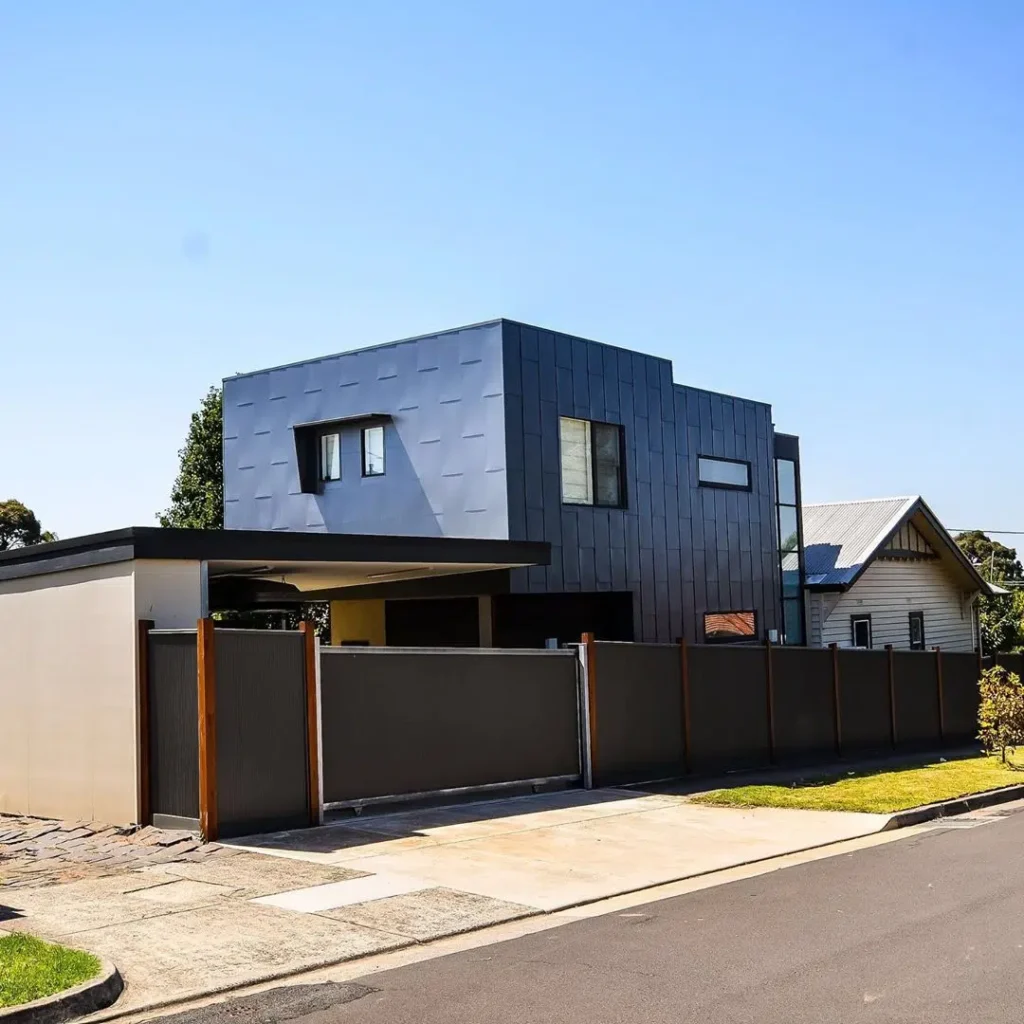
Locally, many Australian builders favour metal cladding for its ability to handle hot spells and bushfire risk. You also have a range of Australian-made metal products with proven performance. If you are going for a contemporary finish, metal cladding often delivers an eye-catching style that complements both residential and commercial buildings.
Benefits Of Metal Cladding
Metal stands apart from other cladding materials. It is particularly popular in places where durability is essential. Here are a few reasons why so many Australian homeowners and business owners choose metal:
- Strong weather resistance. Metal cladding typically handles harsh sun, storms, and dust. In rural areas with temperature swings, metal catches less moisture than timber or stone.
- Easy maintenance. A simple rinse every few months usually keeps it looking sharp. You also avoid termite trouble or mould issues that can come with other materials.
- Fire safety. Bushfire concerns are significant in some parts of Australia. Many metal types, such as steel or aluminium, offer excellent fire resistance. That point matters if your local bushfire rating is high.
- Energy efficiency. Modern metal cladding often has coatings that help reflect radiant heat, which can reduce cooling costs. This aspect is backed by research from the Australian Government’s YourHome guide, noting that reflective external materials can help stabilise indoor temperatures.
- Eco-friendly options. Steel and aluminium are among the most recycled metals in the world. This means fewer raw materials and a smaller carbon footprint if you choose a supplier that uses recycled metal.
While metal cladding can be more expensive than some lightweight materials, many people find the long-term savings in maintenance and energy well worth the initial outlay. You should still pay attention to the chosen metal’s rust resistance. Aluminium is typically lower maintenance, whereas steel might need protective coatings. By balancing cost, style, and climate needs, you can often come out ahead with metal.
How To Choose The Right Material For Your Build
Once you settle on metal, it is time to pick a cladding profile that delivers both function and flair. A few common profiles stand out:
- Standing seam. This profile features raised seams and a sleek, continuous look. You can read more about its benefits in standing seam cladding. Standing seam grows in popularity for contemporary homes and commercial buildings because it channels water efficiently and gives a clean finish.
- Snaplock. The snaplock system is known for its easy, tool-free installation and subtle lines. It works well for both large external walls and architectural highlights around doors or windows. Some homeowners love its modern, angular aesthetic.
- Corrugated. Traditional corrugated metal is still going strong. It is a go-to option if you appreciate a classic Australian rural style. Plus, it can be budget-friendly, though not always as sleek as standing seam or snaplock.
You might also want cladding for specific areas, like a garage door. A uniform exterior often looks more polished, so check out garage door cladding if you want a consistent facade. Regardless of the style you choose, be sure to double-check compatibility with your local building rules or homeowner association guidelines if any exist.
Curious about those subtle ripples or waves that sometimes appear on metal surfaces? That effect is called oil canning, and it can happen if the panels are installed incorrectly or if the metal expands in very hot weather. When in doubt, consult a professional or read what is oil canning to understand prevention methods.
How To Manage Project Costs
Budgeting is often the trickiest part of any home or business upgrade. The total cladding price depends on your chosen material, the surface area to cover, labour rates in your region, and any finishing touches. If you want a ballpark figure for your project, start with the cladding cost calculator. It is an easy tool to enter square footage and get estimated figures.
Beyond the cost of materials, consider:
- Preparation work. Do you need to remove old cladding or make repairs first?
- Complexity of design. Curved walls, multiple corners, or high roofs might drive up labour fees.
- Insulation upgrades. Many people add a layer of insulation under their metal cladding for improved energy efficiency.
- Finishing details. There may be extra charges for powder-coating certain metals or adding protective coatings.
If you are wondering about total house cladding cost across different materials, it is wise to factor in ongoing care. Metal may cost more upfront than vinyl, but it often pays off in fewer repairs over time. For any final decisions, it helps to get a professional quote. At Top Glaze Roofing, we see many clients discover that paying a bit more in the short term leads to lower overall expenses.

Frequently Asked Questions
1. Is metal cladding okay for coastal areas?
Yes. If you live near the beach, go for metals that resist corrosion. Many Australian coastal homes use treated steel or aluminium because these materials handle salty air better than others. Confirm with your supplier that the metal is rated for coastal use.
2. Do I need special insulation under metal cladding?
Usually, it is recommended. While metal can reflect heat, a layer of insulation helps keep temperatures stable throughout the year. You can also reduce noise from rainfall or external sounds. As always, check local codes to see if extra insulation is required.
3. Why does my new cladding show small waves or ripples?
Those slight waves, called oil canning, can occur if the metal expands due to heat or if the installation was not done properly. To learn more, see what is oil canning. Fixing it might require re-tensioning the panels or adding more fasteners.
4. Can I install cladding on my garage door?
Yes. Many people pursue a uniform look by matching their home’s external walls with the garage. You can explore styles at garage door cladding. Always confirm the door’s weight limits and mechanical components before cladding, so it still opens and closes smoothly.
Cladding is one of the most effective ways to protect and beautify your property. It can improve energy efficiency, defend against weather damage, and even raise your home’s value. Metal cladding, in particular, stands out for its strength and modern style, which is why you often see it in Australia’s busiest metros and on outback homesteads alike.


