

If you suspect water stains on your ceiling, or you’ve noticed drips after a storm, you might be asking yourself how to check for roof leaks. Even a small leak can grow into a serious issue if ignored. Below, you will find a clear, step-by-step guide to help you identify trouble early, along with tips on what to do next. You will also see answers to common questions from Australian homeowners who want to protect their homes from water damage.
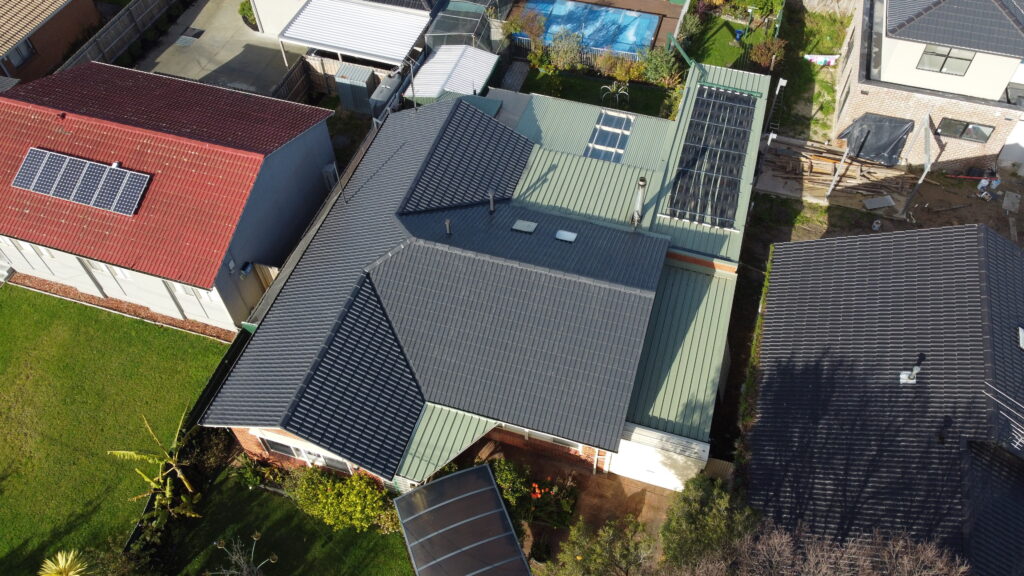
Spot the early clues
Before you climb onto your roof or go searching with a flashlight, start with basic observations in your living areas. These early clues often reveal hidden leaks:
- Stained or discoloured ceiling patches
- Damp walls or peeling paint
- A persistent musty smell in certain rooms
- Light brown rings on plaster, especially near corners
Those signs hint there could be an unwanted trickle making its way inside. If any of these are present, you might ask yourself, “why does my roof keep leaking?” It can be a loose tile, damaged flashing, or debris clogging your gutters. Whatever the cause, your best ally is to take action as soon as possible.
Take indoor precautions
- Place a container under any active drips right away (even a small bucket helps).
- Move nearby furniture or valuables to a safe spot to prevent water damage.
- Ventilate the area by opening windows, if weather permits, to reduce dampness.
These steps won’t fix the leak, but they do minimise collateral damage while you investigate.
Check your roofing surface
A closer look at your roof’s exterior is the next logical step. However, roof inspections involve ladders, so be sure you follow basic safety:
- Make sure your ladder is stable and set on firm ground.
- Wear non-slip shoes with good traction.
- Consider a spotter if possible, because having someone watch is safer.
Once you’re set up, scan your roof for problem areas:
- Missing or cracked tiles
- Warped metal flashing (the thin metal around chimneys, vents, or skylights)
- Piles of debris or leaves stuck near valleys
- Cracked sealant around roof fixtures
These issues allow water to slip through and cause havoc. Even what looks like a tiny crack in the roofing surface can cause big problems. If left unchecked, the moisture seeps into your home, leading to potentially costly structural damage over time.
Table of common roof leak causes
Below is a brief overview of frequent roof problems, possible sources, and quick actions you could take:
| Sign of leakage | Possible cause | Quick fix suggestion |
|---|---|---|
| Loose or missing tiles | Wind or storm damage | Replace tiles, check underlay for damage |
| Damaged metal flashing | Corrosion or poor sealing | Reseal or replace flashing |
| Debris collecting in valleys | Poor gutter drainage | Clear debris, inspect for cracks |
| Split sealant around vents | Deterioration over time | Reapply new roofing-grade sealant |
If you notice any of these, preventative measures are a must. Promptly replacing cracked tiles, reapplying sealant, or improving drainage will keep water from sneaking in.
Inspect roof cavities and attic spaces
If you have safe access to an attic or roof cavity, this step helps confirm any suspicions. Use a good flashlight, then gently push aside insulation or loose panels:
What to look for inside
- Damp framing or rafters
- Dark water stains on wood
- Soft patches in insulation (they often soak up moisture like a sponge)
- Strong musty or mouldy smells
If you spot mould or mildew inside the roof cavity, you may want to check up on mold growth from roof leaks, as unchecked mould harms air quality and creates health risks. Don’t assume that seeing minimal water is harmless. Even small drips can ultimately cause rot in support beams or ruin plaster.
Shine a light for pinpointing leaks
On a sunny day, you might see small cracks of daylight peeking through the roof boards if there are holes. Alternatively, wait until after rainfall. Darkness plus a flashlight will help you see any reflection from water droplets. This is a simple but powerful way to zero in on slow-moving leaks that might otherwise go unnoticed.
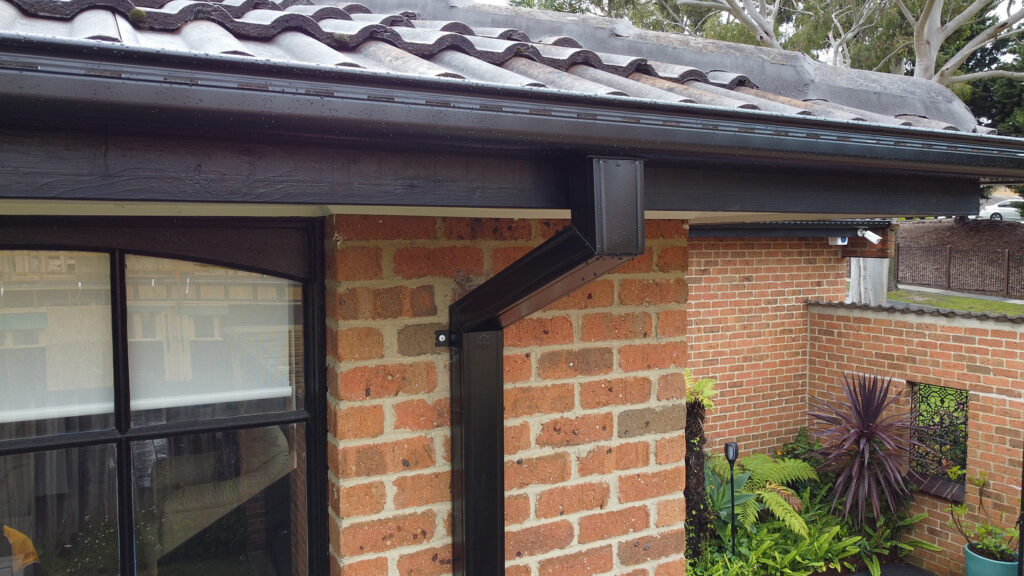
Examine gutters and downpipes
Your gutters and downpipes also play a major role. If water is unable to drain effectively, it can back up and seep into eaves or under roof tiles:
- Check for leaves, twigs, or dirt clogging the channels
- Look for cracks or rust spots that might let water overflow
- Make sure gutter brackets are tight and that the guttering angles are correct
Water that doesn’t flow freely often ends up soaking into fascia boards or pooling on the roof. This can steadily erode seals and encourage leaks. The moment you see water spilling over the side of a gutter during rain, treat it as a prompt to unclog or repair that section. Keeping your gutters clear and intact is a relatively easy step that can prevent extensive water damage.
When to involve professionals
If the gutters, flashing, or roof structure appear significantly rusted or broken, you may want an expert’s opinion. A professional roofer can safely assess structural risks, quote repairs, and help prevent further problems. For instance, if you’re in Melbourne, you might wonder how much does roof repair cost in melbourne. Quotes often vary based on factors like roofing material, height, and the severity of damage.
Perform a controlled water test
Occasionally, the signs of a leak show up indoors, but you still can’t pinpoint the exact source on the roof. In this case, a water test can help. You’ll need a ladder, a garden hose, and ideally a helper inside who can watch for any drips.
- Position the hose on a lower section of the roof first.
- Run water steadily (not at high pressure) over a small area for two to three minutes.
- Have your inside helper call out if they notice water seeping through the ceiling.
- If all is clear, move the hose higher up and repeat the process in stages.
Observing exactly when the drip occurs helps you match the inside location with the spot you’re hosing outside. However, proceed with caution if your roof is steep or if you’re unsure about climbing up. A slow, steady approach is safer than laying on the water too heavily.
Learn potential hidden impacts
Roof leaks aren’t always just a matter of stained ceilings. Over time, moisture can compromise more than just plaster or paint. If you’re worried about structural integrity, read about how leaks affect home structure. In short, prolonged exposure to water can weaken timbers and lead to unanticipated repair costs.
Possible consequences of ignoring leaks
- Rotting roof supports that threaten structural stability
- Electrical hazards where water meets insulation or wires
- Accelerated mould growth that worsens air quality
- Stains spreading to walls, leading to expensive repainting
The good news? By staying alert to these dangers, you’re already in a better position to protect your home and save money on long-term repairs.
Keep a simple record
If you are gathering multiple clues about a leak’s origin, start keeping a home maintenance log. Jot down:
- Dates and times you noticed drips or stains
- Areas of the house that show moisture
- Weather patterns (heavy rain, wind direction, storms)
- Any do-it-yourself fixes you attempt
This record helps you spot patterns in the leaks, which can be quite revealing if the problem is linked to heavy winds or if it only happens during big downpours. It also proves invaluable when speaking with a roofing professional in case of a roof repair, because you can give them direct information instead of guesswork.
Explore urgent warning signs
Sometimes, you may not have the luxury of time. Significant roof leaks can trigger signs you need emergency roof repair. Here are a few urgent signals:
- Sudden gushes of water entering during a heavy storm
- Severe sagging of your ceiling or roofing materials
- Rapidly spreading stains that appear within hours
- Unusual dripping near electrical points
If any of these pop up, do your best to limit further damage, then consider calling in a professional roofer immediately. While a thorough DIY inspection is helpful, certain situations demand expert intervention for safety and proper repairs.
Decide your next steps
Once you’ve completed these checks, you often face a decision: Should you attempt repairs yourself, or do you call an expert? Some minor fixes, like popping on a new tile or applying fresh sealant around a vent, can be done with a bit of care. However, if your roof is steep, the damage extensive, or the structure complicated, professional help can ensure the work is done safely and properly.
- Short-term patch: Use specialised roof sealant or roof tape for small punctures.
- Tile replacement: Gently dislodge broken tiles and slide new ones into place.
- Gutter repair: Clear the debris, fix any cracks, and test with water flow.
But keep in mind that extensive leaks might lead to hidden damage you can’t see on the surface. If you suspect deeper issues, professional assessment is usually the best path to prevent recurring water problems.
Answers to common questions
1. What’s the quickest way to confirm a roof leak?
If you see water stains inside, the fastest method is to spot-test small roof sections with a garden hose. Have someone inside watch the area you suspect. If a drip appears after you wet a particular patch, you’ve likely found the culprit.
2. Should I check the roof by myself or hire a pro?
It depends on your comfort level and the complexity of the issue. If you’re confident on a ladder and the problem is minor, a DIY inspection may be enough. For steep roofs, major damage, or ongoing leaks, call an experienced roofer to stay safe and ensure a proper repair.
3. Do small stains mean big damage?
Not always, but stains can grow if the underlying cause isn’t fixed. A small stain can signal a hidden leak or failing shingles. Tackle any visible sign of moisture promptly to avoid the potential for larger structural issues.
4. How soon should I fix a leaky roof?
As soon as you notice a leak, it’s best to investigate. Even small leaks can worsen quickly, especially during repeated storms. Swift action typically leads to simpler repairs and prevents further water damage.
Wrap-up and next step
More often than not, roof leaks are more than an annoying drip. They can harm your home’s structure, contribute to unhealthy mould, and potentially lead to costly repairs. By checking for problems indoors, outdoors, and in your attic or cavity spaces, you can catch most leaks early. If you’re a bit overwhelmed or suspect something major, help is out there.
For homeowners who value thorough, professional results, contacting Topglaze Roofing Melbourne is a smart move. We understand the local climate and can help resolve leaks before they turn into major repairs. You’ve already taken the first step toward peace of mind, so keep that momentum going. By staying proactive, you will protect your home from water damage and preserve its value for years to come.


